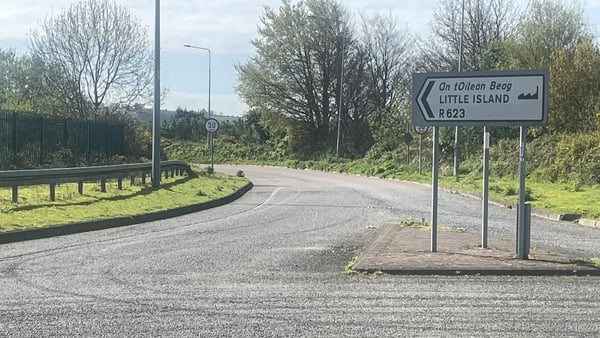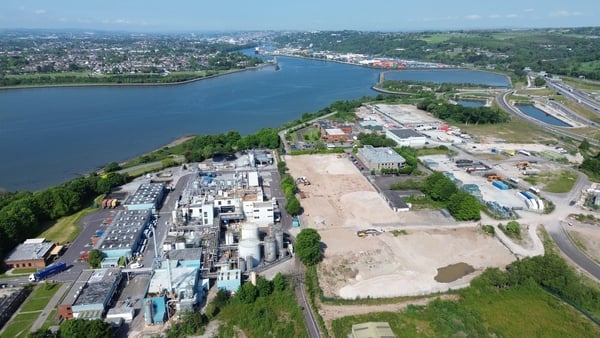
A sculpture has been unveiled at the Atlantic Pond in Cork city to mark the 40th anniversary of the Chornobyl nuclear disaster.
Chornobyl Mother, by Irish sculptor Sandra Bell, is a sculpture in remembrance of the child victims and survivors of the disaster.
It represents the mothers of Chornobyl children and their quest to protect and save their children.
The city has long been associated with assisting victims of the nuclear accident, with Adi Roche's Chernobyl Children International charity delivering more than €110 million worth of aid to communities there.
On 26 April 1986, an accident at the Chornobyl nuclear power plant resulted in the release of 90 times more radioactive material into the atmosphere than the atomic bomb dropped on Hiroshima in 1945.
The results in neighbouring territories in Belarus, Ukraine and western Russia were devastating, with the World Health Organization estimating that the accident could lead to up to 4,000 eventual deaths from radiation exposure, and many thousands of others suffering serious long-term illnesses.
Last year, the UN ratified the spelling of the region as the Ukrainian spelling 'Chornobyl' instead of the Soviet-era and Russian version 'Chernobyl'.
Ms Roche founded her Chernobyl Children International charity in 1991 to respond to the disaster and, since then, has delivered more than €110 million worth of aid to victims of the disaster across Eastern Europe.
Speaking on RTÉ's Morning Ireland, Ms Roche said the unveiling of the sculpture is a symbol of "a very enduring and almost potent metaphor for catastrophe".
She said it is a cautionary tale that we need to heed.
Ms Roche said that when the disaster happened, "It sparked a four-decade long, if you could call it a love affair, of compassion, of resilience, and radical kindness".
She said that the monument itself is something that will galvanise people, when they walk, sit, run, cycle past it, "that they will maybe reflect, remember, and commemorate and say, this country cared".
Ms Roche explained that the sculpture represents the mothers of Chornobyl.
"It is a feature of a woman and it's in their quest to protect and to save their children. It is a beautiful monument, I suppose, really to the people of Ireland because ... we actually spoke with a moral authority of a nation that refused to turn away.
"So, while you have the dark side of remembering the disaster, we have the gorgeous side of also celebrating the power of Irish generosity and compassion."
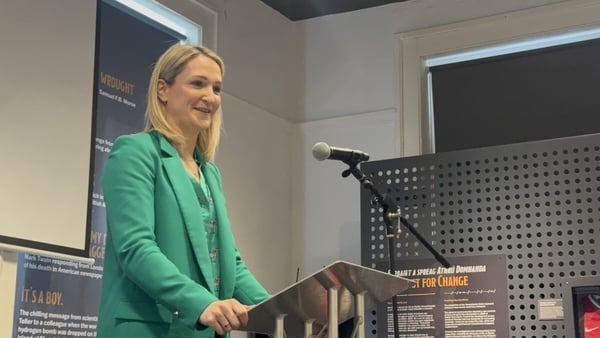
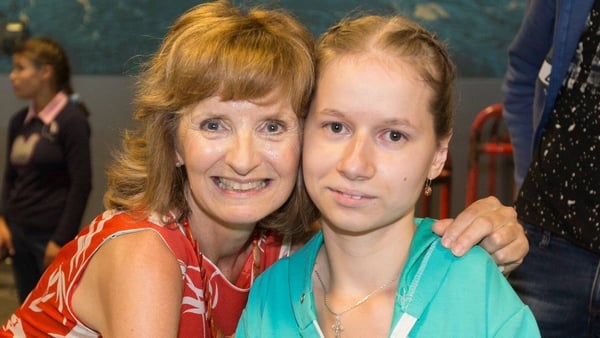
Among the speakers at today's event were Krystina Nikityonik, who will give a personal account of what it was like to have been born with severe disabilities in the aftermath of the Chernobyl disaster and growing up in an asylum, before she was brought to Ireland by Chernobyl Children International. She has now returned to Belarus, where she works and lives.
Today too, a medical aid mission sponsored by Chernobyl Children International got to work in St Nicholas' Hospital in Lviv.
At the same time as history is being marked in Ireland, the work to repair the damage continues in Ukraine and in Eastern Europe.