
The chair of the Adaptation Committee of the Climate Change Advisory Council has said that if governments had heeded their warnings in the past and implemented just a proportion of them in full, the country would "not be in the mess it is now".
Professor Peter Thorne made his remarks after a new report from the council warned that climate change, driven by greenhouse gases, is having measurable impacts in Ireland, with growing risks for communities, infrastructure, essential services and the economy.
The council said the impacts of climate change are already being felt in Ireland.
Speaking on Morning Ireland, Prof Thorne said that there is not adequate funding to deal with the issues but said "it's not just about throwing euros at the problem, but about building capacity, governance and putting policy into action".
"The council, since its inception, has made a huge number of recommendations in annual reviews. If even a proportion of those had been taken up in full we would not be in the mess we are now; both in terms of our resilience to climate change and in terms of our dependency on fossil fuels."
We need your consent to load this rte-player contentWe use rte-player to manage extra content that can set cookies on your device and collect data about your activity. Please review their details and accept them to load the content.Manage Preferences
2025 was Ireland's second warmest year on record and seven of the ten warmest years here have occurred since 2005.
Rainfall is intensifying too - with six of the ten wettest autumns recorded since 2001.
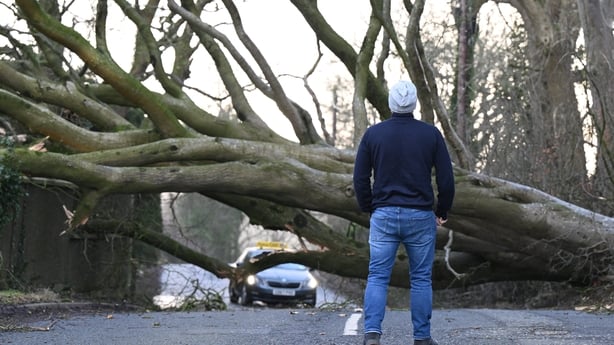
Storm Éowyn last year, with record wind speeds, was the most expensive storm-related insurance event in Irish history costing more than €300 million in insurance claims and exposing weaknesses in energy, water and communications systems.
Rainfall during Storm Claudia last November was twice as likely and 12% heavier because of climate change.
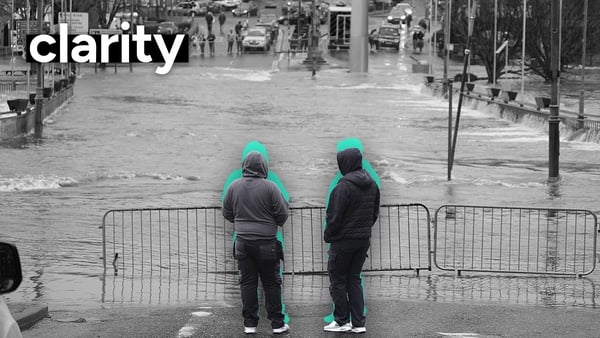
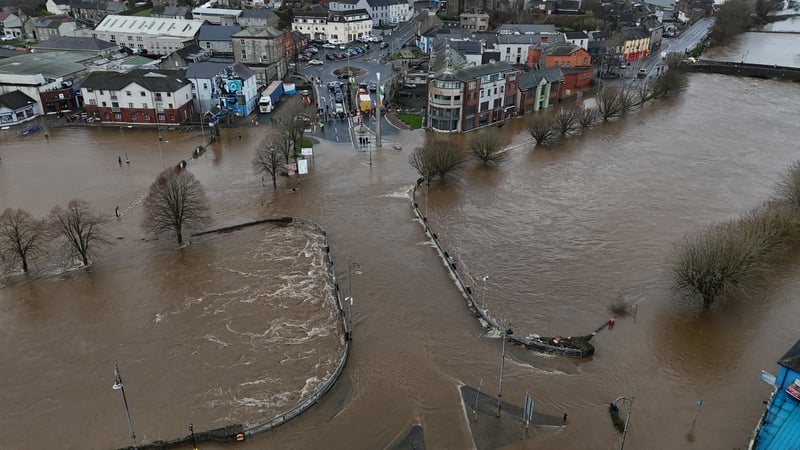
Storm Chandra earlier this year brought prolonged rainfall and severe flooding which was made worse by already saturated ground.
At the other end of the spectrum Uisce Éireann declared drought conditions in 49 public water supplies across 15 counties during the summer.
The report also identifies impacts across natural systems, including shifts in the seasonal lifecycles of insects and wildlife, signalling broader ecological change.
This can result in an increased risk of outbreaks of diseases such as ash dieback and avian influenza.
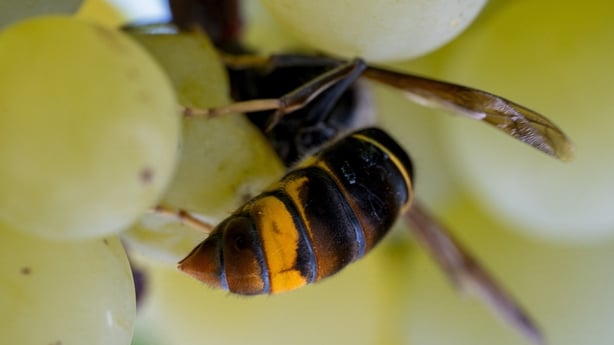
It can also lead to invasive species such as the Asian hornet, harmful algal blooms, and an increased risk of wildfires.
The council said all these events exposed vulnerabilities in critical infrastructure and essential services, including energy, water and telecommunications.
It is calling for urgent investment in climate resilience, including the strengthening of flood defences and critical infrastructure and a faster move away from fossil fuels - warning that without action, the risks will continue to grow.
It says protecting people, infrastructure and the economy will require sustained investment in climate resilience, alongside coordinated policy and long-term planning.
Professor Thorne also said: "Climate change is no longer a future issue. Its damaging impacts are being felt across the environment, the economy and our communities.
"We are seeing clear evidence that a warming climate is leading to more frequent and severe extreme weather events," Prof Thorne said.
"We must shift from reacting to extreme weather events to anticipating and preparing for them. Effective adaptation measures that tangibly increase resilience are essential to protect people, our economy and our way of life.
"Improving our resilience must also go hand-in-hand with reducing our reliance on fossil fuels, not only to address climate change, but also to protect households and businesses from volatile energy costs and strengthen Ireland’s energy security in an increasingly uncertain global context," Prof Thorne added.