
The number of people who were homeless when they died decreased between 2021 and 2022, according to latest figures from the Health Research Board (HRB).
Figures show 124 people died while homeless in 2022, which was a decrease from 133 deaths in 2021.
In 2022, men accounted for 81% of the deaths, with a median age of 47 years. Women had a median age of 40.5 years.
Most of the deaths (57%) occurred in Dublin city and county, with 7% in Cork (city and county).
57% (71 people) were alone when they died, and 36 people died in a public place.
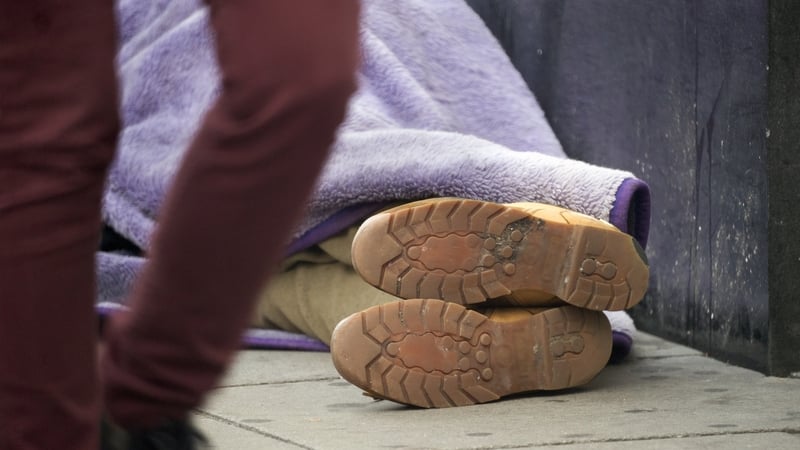
Sixteen people had been sleeping rough in the period leading up to their death.
Mental health difficulties were present among 47 people who died, and most of the deceased (84%) had a history of substance use.
Almost two in three deaths were non-poisoning deaths.
Six out of 10 of these were classified as medical, most commonly cardiovascular conditions.
Four in ten were traumatic deaths, primarily due to falls.
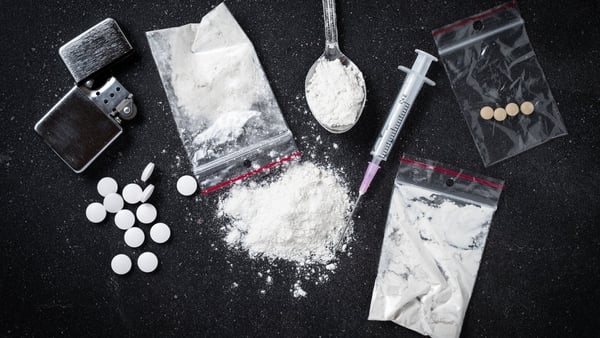
Over a third were due to poisoning (overdose), with 84% of poisoning deaths among men, and 16% among women.
The most common drug groups implicated were opioids, followed by benzodiazepines, cocaine, and alcohol.
Polysubstance poisoning accounted for seven in 10 poisoning deaths, and the proportion of these was the same among males and females.
Seventy-one people were alone when they died, while 36 had died in a public space.
The data in the report by the HRB was collected using the National Drug-Related Deaths Index (NDRDI) methodology.
The source of the data is closed coroner files which results in a time lag.
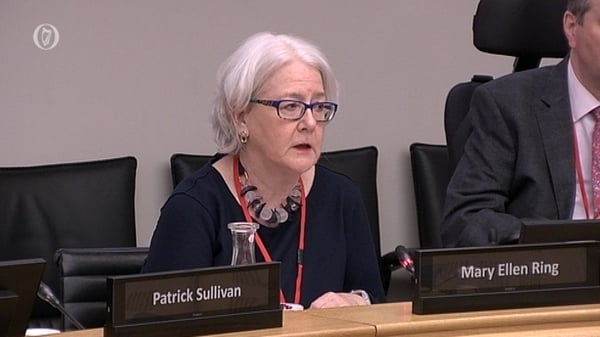
HRB Chief Executive Dr Gráinne Gorman said that the report highlighted the "complexity of homelessness and the difficulties faced by some of the most vulnerable people in our society".
"The Health Research Board captures and analyses this data to better understand the circumstances of these deaths and provide evidence that informs harm reduction strategies and future policies to help prevent them," she said.
HRB Research Officer Cathy Kelleher said: "We know from our data that serious medical conditions, problem drug use and mental ill health were still among the additional challenges faced by the people who died while homeless, with many people impacted by more than one of these at the time of death."
The overall figure is slightly lower than in 2021, but 31% higher than in 2019, which Ms Kelleher described as "significant".
'While the circumstances surrounding these deaths are similar to previous years, the increase in the number of people who have died while homeless is significant.
"The HRB will continue to monitor these trends over time and inform policy makers and service providers," she said.
Simon Communities of Ireland said the figures were "a shameful indictment" of the housing and homeless crises.
It highlighted the need for a cross-departmental approach to ending homelessness.
In a statement it said there's a two-tier health and housing system and "…those who have the funds to access timely services and interventions have that support and others could end up dying alone on the streets."
Homeless charity Depaul said it believes deaths would be higher without preventative measures put in place in NGO temporary accommodation - such as the use of naloxone, and suicide prevention interventions.
CEO David Carroll said the data underscored the complex intersection of housing, mental health, and addiction - something DePaul has been raising for some time.
"Nearly 84% of those who died had a history of substance use, and 38% suffered from known mental health issues. This once again is a reminder that homelessness is a severe health risk that demands more than just emergency beds," he said.
The data in the report by the HRB was collected using the National Drug-Related Deaths Index (NDRDI) methodology.
The source of the data is closed coroner files, which results in a time lag.
Additional reporting Gavin O'Callaghan