An independent pathologist has said Co Armagh woman Kelly Lynch may have been the victim of a violent assault, contradicting official findings that she died by drowning or hypothermia.
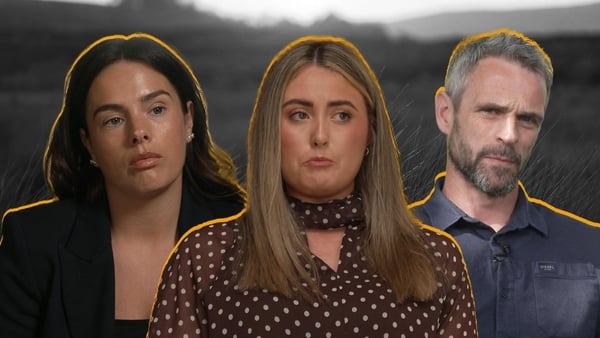
Dr Fintan Garavan, an Irish pathologist based in the United States, was engaged by The Katie Trust charity to review post-mortem reports into Ms Lynch's death.
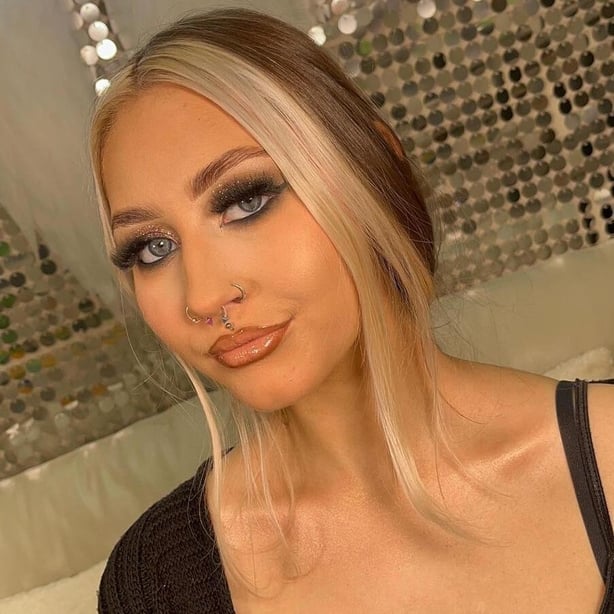
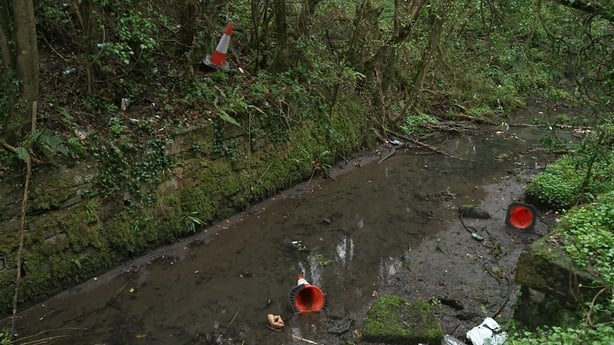
Ms Lynch, aged 23, was found in the Ulster Canal near Monaghan town on St Patrick’s Day in 2024.
She lived in Gilford, Co Armagh with her mother Julieanne, her father Sean, sister and four brothers.
Julieanne Lynch told Prime Time that Kelly was "such a good girl, so gentle, so good-hearted. She had a wicked sense of humour, very dark, sense of humour. She was unlike anybody else".
An initial post-mortem concluded she died by drowning following a fall from a height. A second state pathologist later suggested hypothermia as the more likely cause of death.
Speaking to RTÉ’s Prime Time, Dr Garavan said: "I don’t believe Kelly died from drowning and I don’t believe she died of hypothermia. So, she died for some other reason."
He said the number and distribution of injuries on Ms Lynch’s body were "extraordinary" and in his view, consistent with a violent assault.
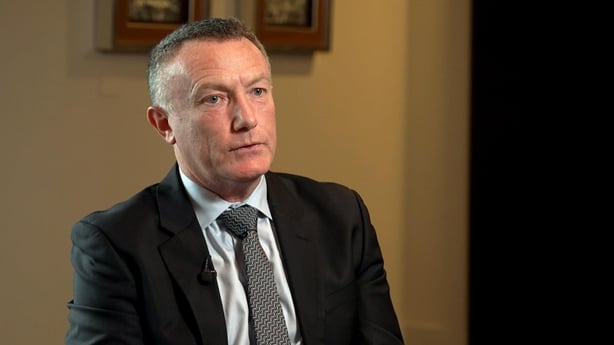
Dr Garavan also believes some injuries were inflicted after her death and that a fracture to Ms Lynch’s sternum is indicative of an attempt to perform CPR.
He suggested her death may have been an accidental homicide, followed by an attempt to resuscitate her and that some of the injuries could have been caused by one or more people moving her body from where she died to where she was found in the canal.
Ms Lynch, from Gilford, Co Armagh had travelled to Monaghan that weekend to stay with her boyfriend.
She had been out socialising on the Friday night in Monaghan where she had been drinking heavily before becoming separated from a group of friends in the early hours of Saturday morning.
The group left the town and walked home along a route that took them over a bridge crossing the Ulster Canal.
At one point, Ms Lynch became separated from the group. The last confirmed sighting of her is on CCTV, passing a local national school just a few hundred yards from the bridge.
Her body was discovered in the canal the following day, approximately 29 hours after she was last seen alive.
Kelly Lynch’s family have questioned the original post-mortem findings and sought an independent review after receiving her autopsy report last year.
They were assisted by retired PSNI detective James Brannigan, who founded The Katie Trust, a charity aimed at helping families who have concerns about the death of a loved one who died in circumstances with unanswered questions.
The trust was named after Katie Simpson, a showjumper whose murder was initially ruled a suicide before Mr Brannigan’s investigation saw her brother-in-law ultimately charged with her murder.
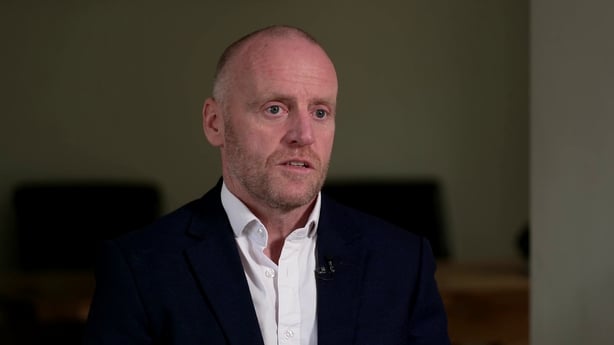
Mr Brannigan told Prime Time that he has been contacted by around 100 families since establishing The Katie Trust.
He is often able to tell families with confidence that he does not believe there was any third party involvement in their loved one’s death. But he says that in eight months, five of the cases he has reviewed have been upgraded to homicide investigations.
On a visit to the bridge over the Ulster Canal where Ms Lynch was last seen on CCTV, Mr Brannigan told Prime Time why he became involved with the case.
He believed it unlikely that, even in a drunken state, a person would fall over the wall of the bridge and land where Kelly’s body was found.
He felt that the post-mortem report did not adequately explain the 93 injuries on Kelly’s body.
He also felt that it was an error for the state pathologist not to have visited the scene, as vital information that could have been gleaned in the aftermath of her death was possibly missed as a result.
Asked whether this also applied to a later desktop review, Mr Brannigan said it did not.
"No, because you're reviewing all the information that has been gathered by the police and the pathologist. The issue about attending the scene is when you're doing the first post-mortem," he said.
State pathologists do not visit a scene unless asked to do so by gardaí. Kelly’s death was not treated as suspicious and the Garda Technical Bureau did not attend the scene either.
Mr Brannigan felt the questions of how Kelly came to be in the canal, exactly how she died and whether there was third party involvement remained unanswered.
At this point, he engaged the help of Dr Garavan, who agreed to conduct a desktop review on a pro bono basis.
Dr Garavan told Prime Time that he has worked on more than 8,000 autopsies, supervised a further 8,000 and consulted on several thousand further cases upon request.
The state pathologist’s office later issued a supplementary report responding to Dr Garavan’s findings.
It rejected the suggestion of an assault and maintained that Ms Lynch died because of drowning following a fall from height.
Marks identified by Dr Garavan as possible defensive wounds were attributed to attempts to climb from the canal, while other injuries were linked to insect activity.
The report also stated that Ms Lynch’s broken vertebrae and sternum (breastbone) are consistent with a fall from a height, saying that her sternum was likely fractured by her chin compressing her chest during the fall.
Dr Garavan said professional disagreement in such cases is not unusual and is part of establishing the truth.
There are currently no suspects in Ms Lynch’s death and as of now it is not being treated as suspicious.
An Garda Síochána is carrying out an internal review into the initial investigation.
In a statement to Prime Time, An Garda Síochána said that this review by a senior investigating officer was ordered after then commissioner Drew Harris and Chief Superintendent Alan McGovern met with the Lynch family and "listened carefully to their concerns".
It continued: "This peer review into the ongoing garda investigation also remains ongoing. An Garda Síochána is also assisting the Coroner’s Inquest and fully co-operating with the Fiosrú investigation.
"These processes are ongoing. The garda investigation team continue to keep the Lynch family up to date with the progress of the investigation through their legal representatives.
"An Garda Síochána appeals to anyone with direct information on the death of Ms Lynch to contact Gardaí."
The state pathologist’s office is under the aegis of the Department of Justice. It told Prime Time that "the OSP can’t make comment on any individual case while coronial and garda investigations are ongoing."
It added that "the OSP operates in line with international best practice guidelines for forensic and general autopsy pathology. It has a 100% peer review policy."
For the Lynch family, the heartbreak of Kelly’s death is only compounded by the questions that remain unanswered and the lack of any sort of closure on the death of their daughter and sister.
Julieanne Lynch says the dynamics in the family have changed utterly since St Patrick’s Day two years ago.
"Personally, I don't feel joy in anything anymore. I don't enjoy food. I don't enjoy leaving the house. I don't do anything anymore."
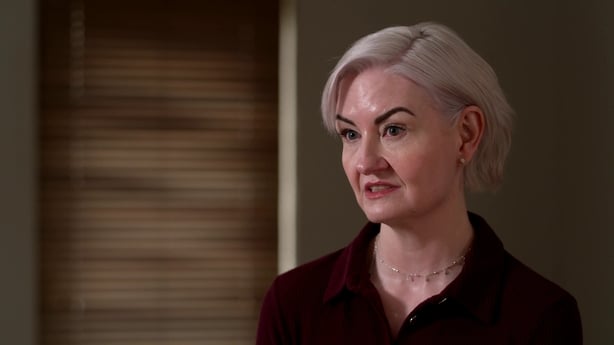
Julieanne Lynch said she is willing to accept that her daughter’s death was accidental - if it is supported by clear evidence.
A report on the death of Kelly Lynch by Conor Wilson and producer Aaron Heffernan was broadcast on the 16 April edition of Prime Time at 9.35pm on RTÉ One and RTÉ Player.